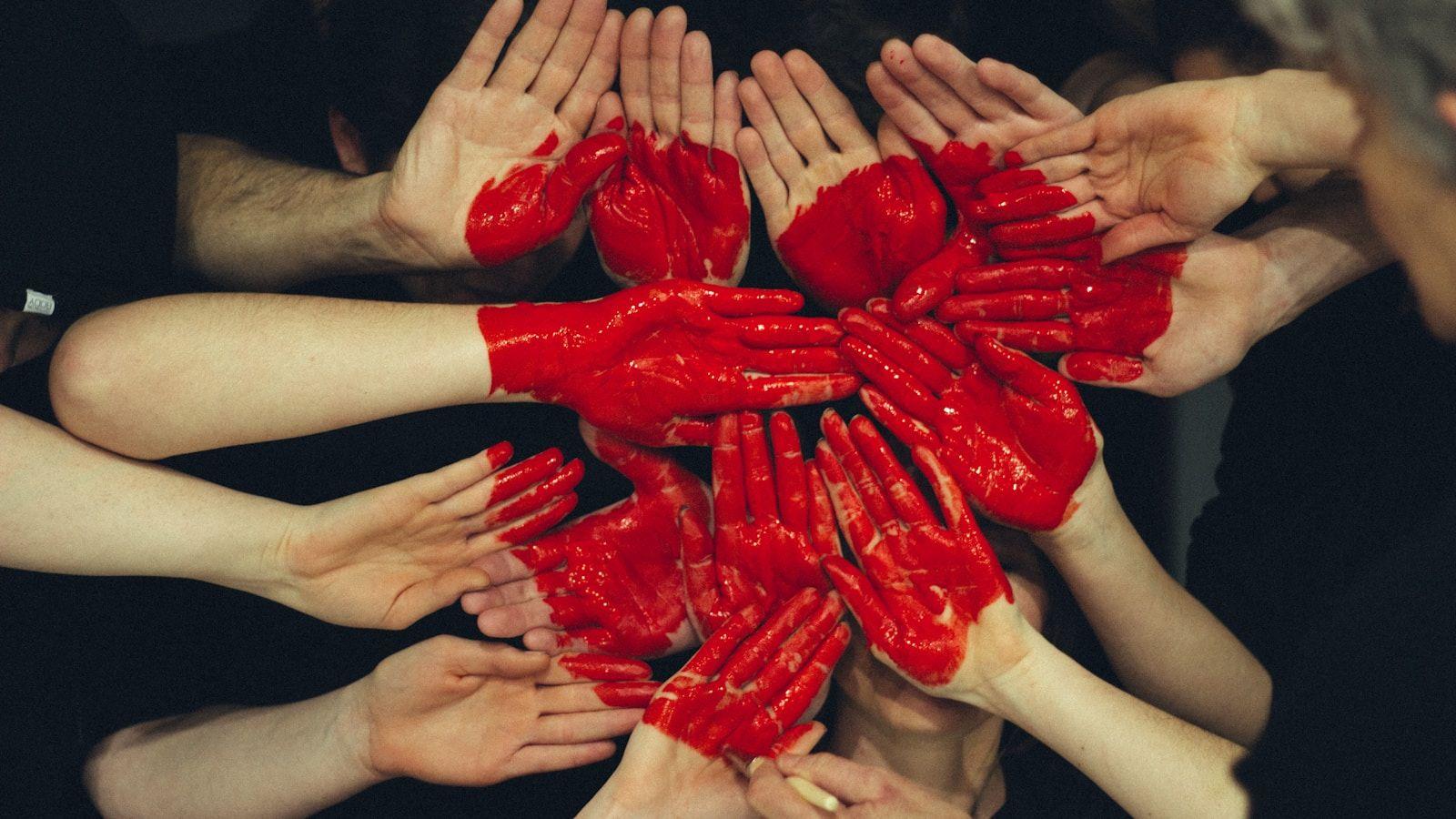
When You Give, You Get
The last time I helped someone move I didn't want to do it. It was a Saturday, it was hot, and I had about fifteen things I would rather have been doing. But I showed up because they needed me. Six hours of carrying boxes up two flights of stairs. My back was done by hour three. And by the end of that day something happened that I still can't quite explain. I felt better than I had in weeks. Not tired better. Not accomplished better. Something deeper, like a knot in my chest that I didn't even know was there had come loose.
We believe that feeling is trying to tell you something.
What Giving Actually Does Inside You
Fifty people at the University of Zurich were given money and a simple choice: spend it on someone else or spend it on yourself. And here's what caught me off guard. The people who committed to giving it away were already happier before they spent a single cent.
The study came out in Nature Communications and the brain scans told the whole story. The part of your brain that processes generosity started communicating more intensely with the part that processes happiness. Those two regions were talking to each other more in the givers than in the people who kept the money for themselves. And the chemicals involved are the same ones your brain releases when you fall in love. That's not a metaphor. The ventral striatum (the area where that happens) lit up in the givers in a way it didn't for the control group.
And the amount didn't matter. That's the part I keep coming back to. Giving a little produced the same happiness effect as giving a lot. Five dollars or fifty, your brain didn't care. The act of directing something outward was enough.
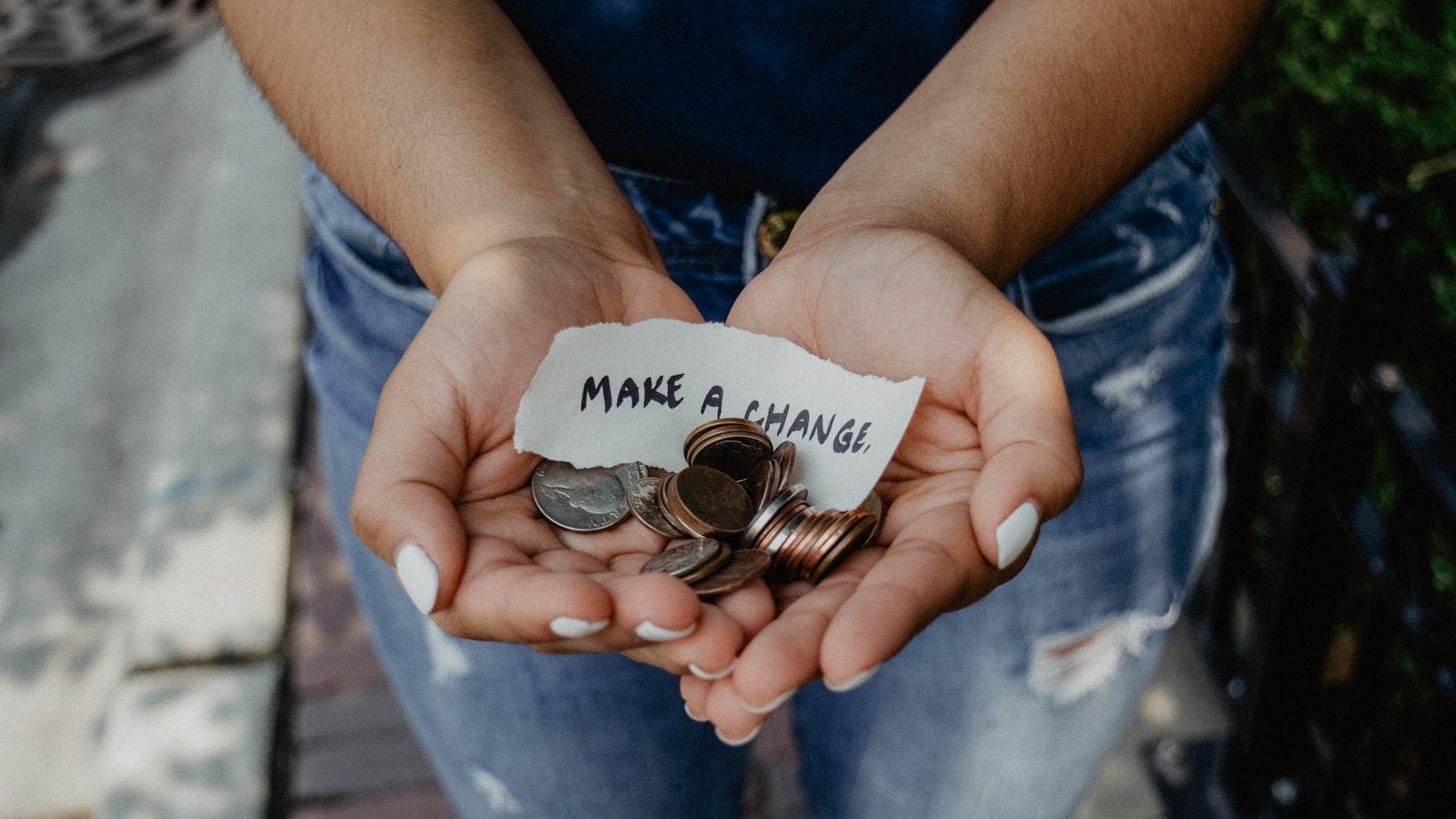
The Paradox Nobody Warns You About
So here's what makes this strange. The research says the happiness only works when you're not chasing it. When you give because you actually want to help, your brain lights up. But when you give because you're trying to feel good about yourself, the data suggests the effect weakens. The intention behind it changes everything.
You can't manufacture joy by going through the motions. The people in that brain scanner who felt the biggest shift weren't performing generosity. They meant it. And their brains could tell the difference.
There's something almost spiritual about that if you think about it. The universe (or whatever you want to call the force that holds all of this together) seems to have built a system where the only way to receive is to give without expecting a receipt. We've watched this play out in our own lives more times than we can count. The moments where we gave the most freely, without any angle, those came back to us ten times over. Sometimes as peace, sometimes as a feeling of purpose that nothing else on earth can give you. And the data lines up with that experience in a way that I find hard to ignore. Those same 50 people weren't meditating or journaling or doing anything complicated. They were just giving. And their brains rewarded them for it automatically.
Why the Memory Never Fades
Here's what else gets overlooked about the Zurich study. The happiness people felt after giving wasn't just a quick burst. It lingered. And if you've ever helped someone through a hard time (really helped them, not just sent a text) you know exactly what that feels like. The memory of it stays with you in a way that buying yourself something nice never does.
I think it's because giving creates a story. You showed up when it would have been easier not to, and somebody's life got a little bit lighter because of it. You saw the relief on their face. You felt the weight of their problem shift, even just a little, because you decided to carry some of it. That kind of memory has weight to it. It sits in a different place in your brain than a vacation photo or a new pair of shoes.
And the studies back this up. The brain's reward system doesn't just fire once when you give. Those same neural pathways that connected generosity to happiness in the Zurich data, they strengthen over time with practice. Your brain gets better at feeling good from giving the more you do it. Which means the first time you help someone it might feel like effort. The tenth time it feels like breathing.
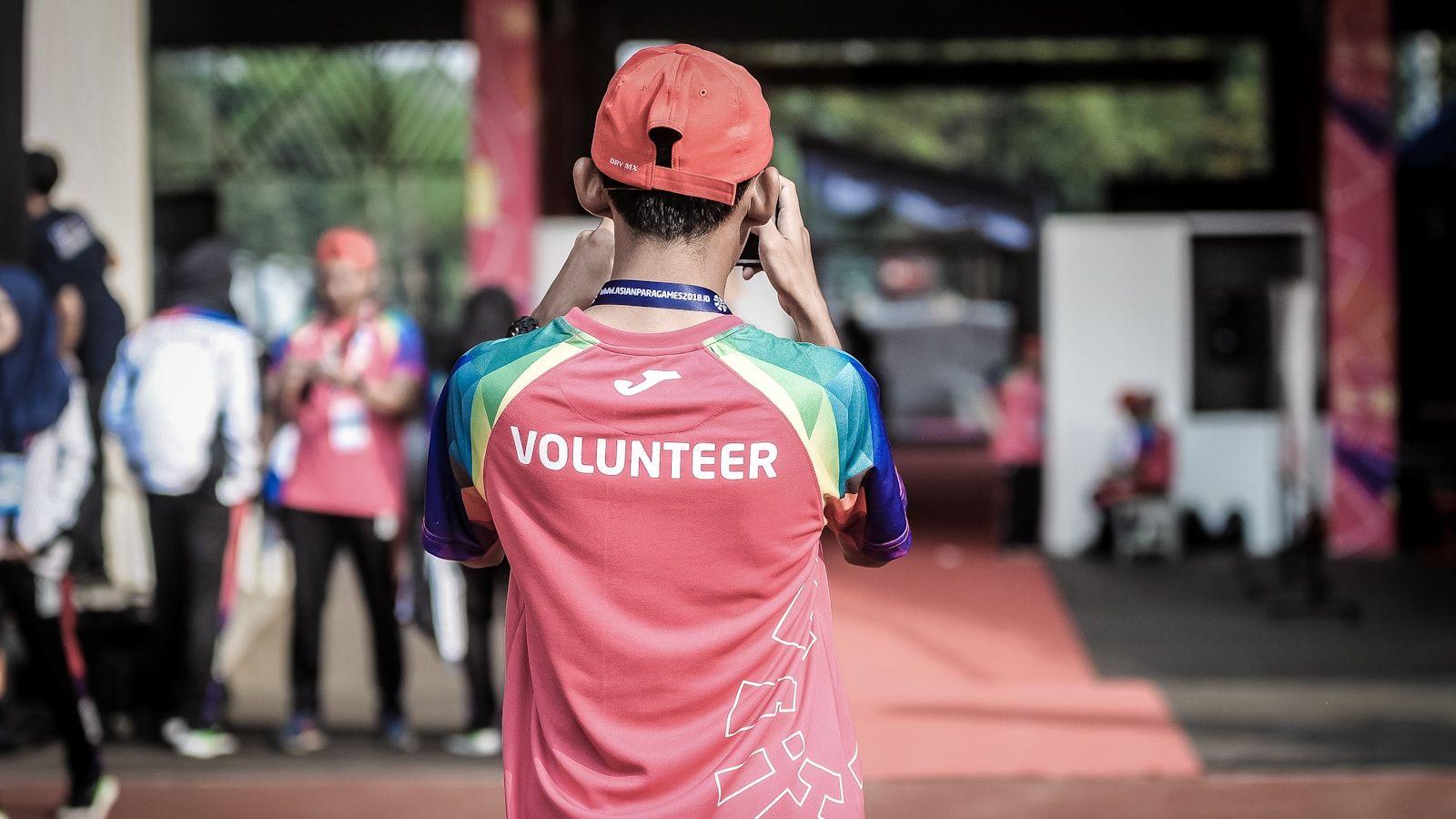
What Your Life Becomes
So here's what happens when you make giving a regular part of your life. It becomes who you are. Your days take on a weight and a direction that wasn't there before (and mission isn't too strong a word for it). You wake up looking for ways to be useful. You start noticing people who need something you can actually provide. And somewhere along the way, without you even noticing it, the fulfillment you were always chasing just shows up and doesn't leave.
The effort it takes to help someone, the pain you sometimes absorb from their situation, all of it gets obliterated by the rush of watching them come through the other side. That feeling doesn't fade. It compounds. And at some point you realize you're not just getting through the day anymore. You're building something that actually matters.
The research confirms what every generous person already knows in their bones. Giving doesn't drain you. It fills you up in a way that nothing you buy for yourself ever will. Those same brain scans from Zurich showed that the connection between generosity and happiness was built into all 50 of those people. And we believe it's built into you too, waiting for you to put it to work.
Everything here is shared for reflection not as professional advice. Trust your own judgment and seek guidance where you need it.
Written by Imran J., Director of Strategic Vision at Mercify9