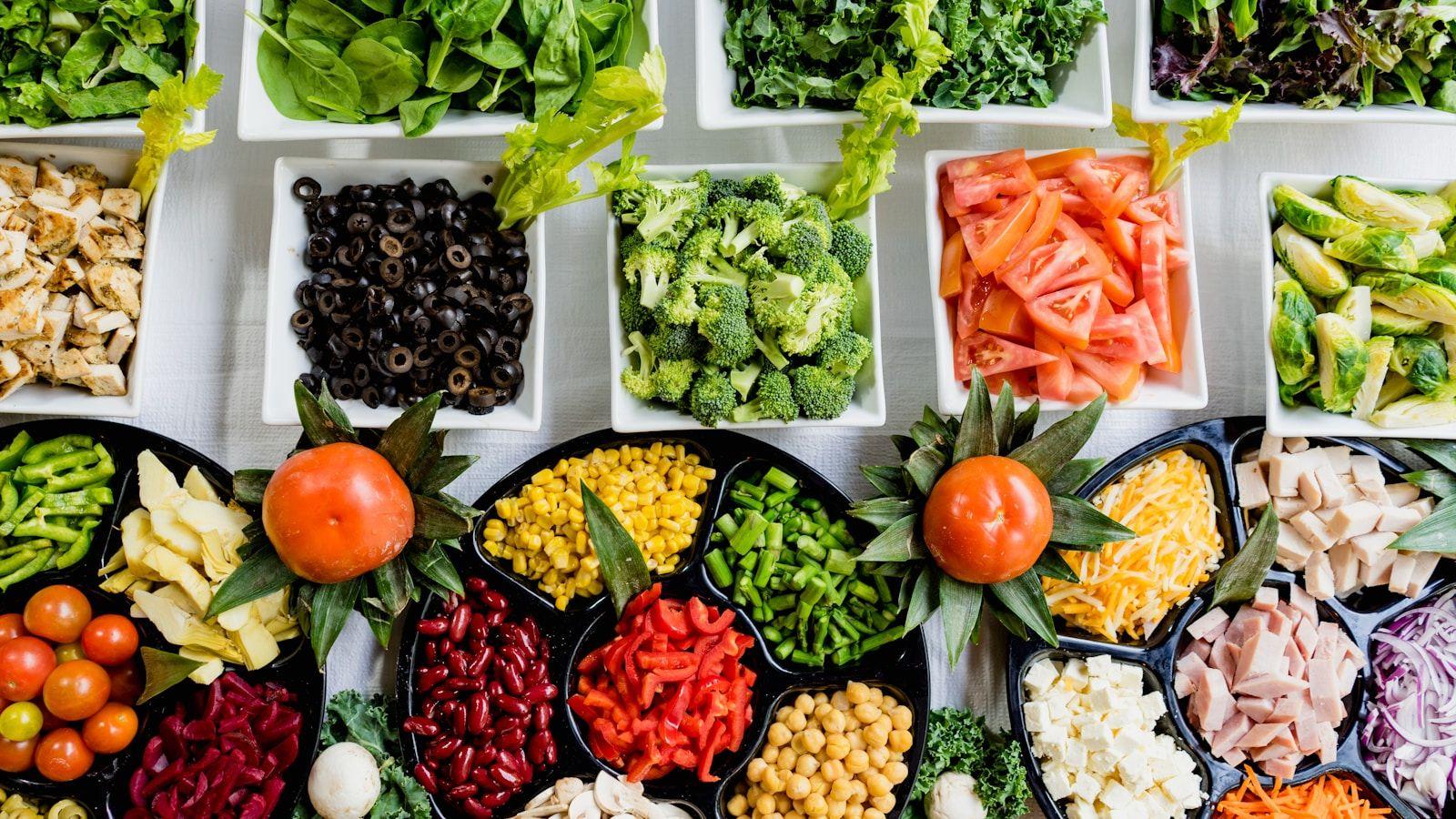
What Eating Whole Foods Does to Your Body: The Science Behind the Simplest Diet That Works
You already know what good food looks like. You've known since you were a kid watching someone in your family cook a real meal from scratch. Vegetables that still had dirt on them. Rice that took forty minutes, not four. Fruit that came from a tree, not a factory.
The strange thing is that we've spent the last few decades trying to replace all of that with something more complicated. Low carb, keto, paleo, calorie counting apps that turn lunch into a math problem. And most of it doesn't stick. You already know that too.
Why Most Diets Get It Backwards
There's a reason most diets fail and it's not willpower. It's that they ask you to fight your own body. Eat 1,200 calories a day and pretend you're not miserable. Your body pushes back. Cravings come. Energy drops. You quit. Then the guilt shows up and before long you're searching for the next thing to try.
I think we've been asking the wrong question. Instead of obsessing over what to eliminate, we should be looking at what to eat.
A team at Harvard published something in Nature Medicine in 2025 that I think settles this debate. They had tracked over 100,000 people. Thirty years of data. They compared eight different healthy dietary patterns and measured who was still healthy at age 70 (meaning no chronic diseases, still mentally sharp, still physically independent).
The pattern that performed best was the Alternative Healthy Eating Index (a scoring system that measures how closely your diet matches evidence-based nutrition guidelines). Not a trendy diet. Just a pattern built on fruits, vegetables, whole grains, and healthy fats. People in the top fifth of adherence were 86% more likely to be healthy at 70 than people in the bottom fifth.
86%. That is not a small difference.
And every single one of the eight dietary patterns they studied improved outcomes. I didn't expect that. The common thread across all of them was whole foods. The researchers said there is no one-size-fits-all diet. You can adapt to fit your culture and your preferences. But the foundation is always real food, minimally processed.
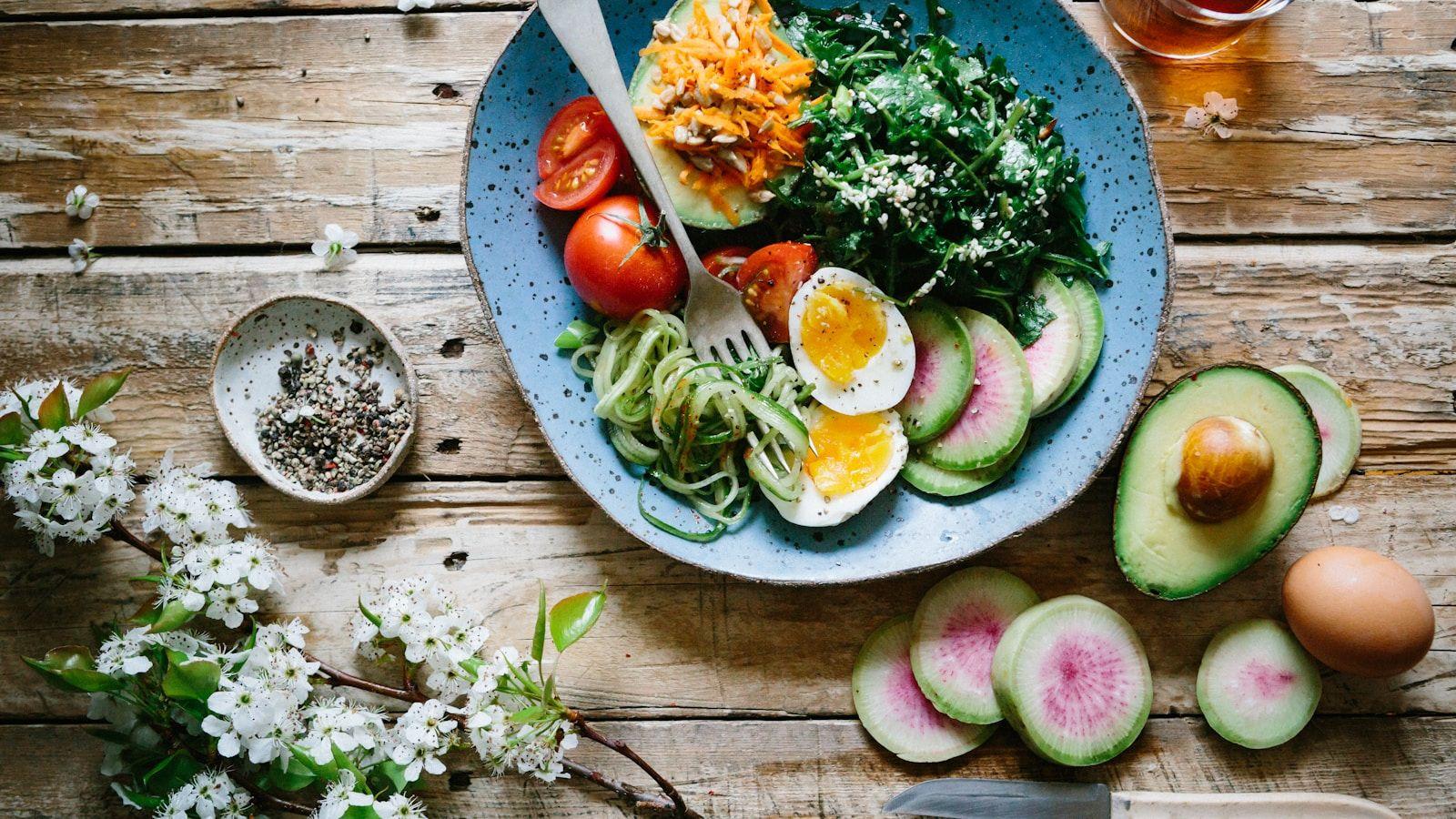
What Happens When You Test It Head to Head
A team at University College London ran what is now the largest randomized controlled trial comparing ultra-processed food against minimally processed food. Published in Nature Medicine the same year. Fifty-five adults with overweight or obesity spent eight weeks on each diet. Both diets followed the same national dietary guidelines. Same health targets. The only difference was how processed the food was.
People on the minimally processed diet lost nearly twice as much weight. Not because they were eating less. The diet also reduced fat mass and triglycerides (the type of fat floating in your blood that gets measured during a standard blood test). And here's the part that should change how you think about dieting. People lost about 2% of their body weight in eight weeks. Nobody was told to restrict their intake. If that pace held for a full year, you're looking at 9 to 13% total weight loss.
So both diets met the government's healthy eating guidelines. But the one built on whole foods produced double the results. I keep coming back to that. The rules were the same. The food was different. And the bodies responded completely differently.
I think this is the finding that should end the conversation about dieting as sacrifice. You don't have to eat less. You have to eat real.
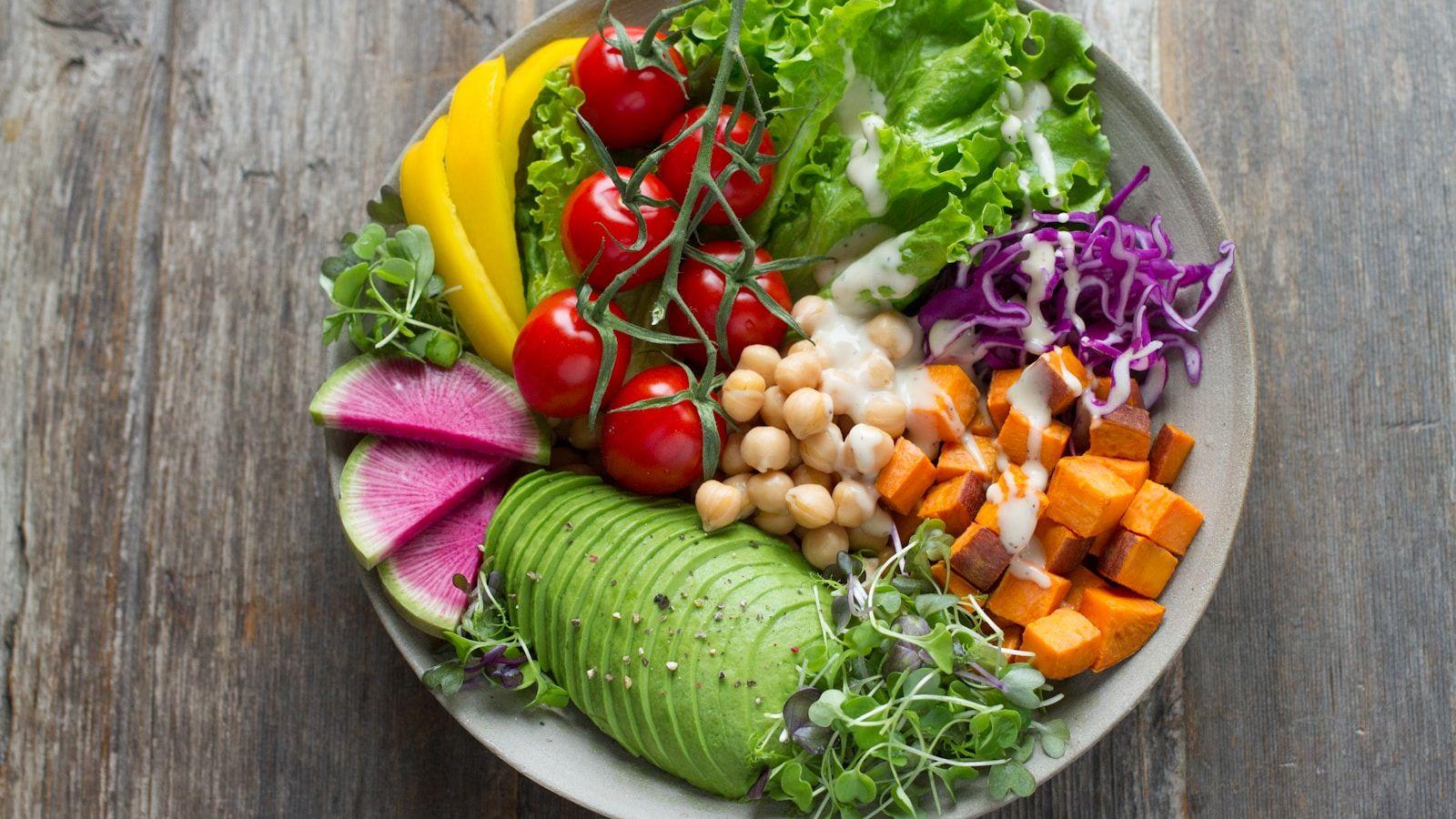
What It Looks Like When a Whole Town Tries It
There is a real-world example of what happens when you take this out of the lab. In 2009, Albert Lea in Minnesota (population about 18,000) became the first town in America to implement the Blue Zones Project. They redesigned their food environment around whole food, plant-forward eating principles.
Within one year, participants added 2.9 years to their projected lifespans. Local employers saved $8.6 million in healthcare costs. The town jumped from 68th to 34th place in Minnesota's county health rankings. Produce sales at the local grocery store went up 12%. Water sales went up 52%. And soda sales dropped.
One small town. No crash diets, no meal plans, no calorie apps. They just made real food easier to get to. And the numbers moved.
I think both things can be true at the same time. Whole foods are clearly better for you. And the system makes it hard for a lot of families to access them. Any honest conversation about food has to include that. But for those who do have the choice (and if you're reading this, you probably do), the evidence is about as clear as nutrition science gets.
Put care into what you feed yourself and the people you love. You don't need a strict protocol. You don't have to give up what brings you joy. You just have to eat food that actually looks like food. Maybe cook a real meal tonight, the kind where you can name every ingredient. The kind that takes a little time.
Everything here is shared for reflection not as professional advice. Trust your own judgment and seek guidance where you need it.
Written by Imran J., Director of Strategic Vision at Mercify9